 Save
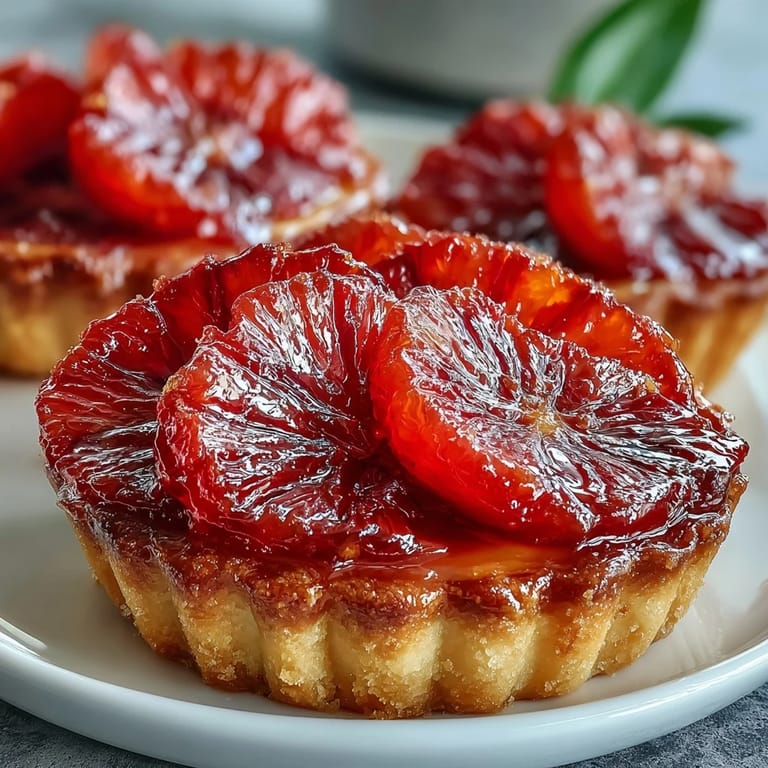
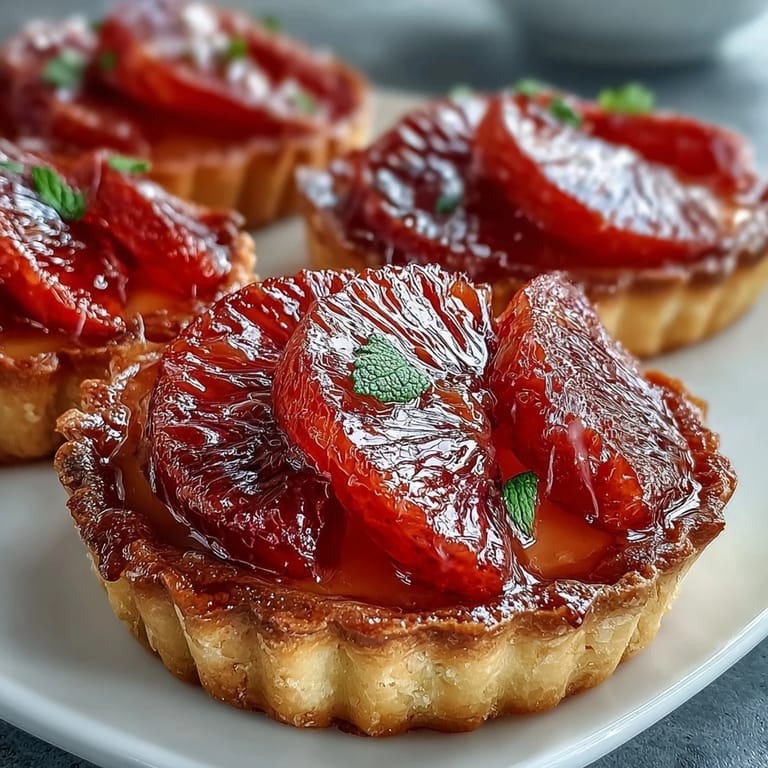
Save There's a particular moment in late winter when blood oranges hit the market with their deep crimson flesh and jewel-like promise, and I find myself drawn to them instantly. Years ago, I watched a pastry chef in Lyon slice one so thin it glowed like stained glass under the kitchen light, and I became obsessed with recreating that magic at home. These tarts emerged from that obsession—crisp, buttery shells filled with silky vanilla custard and crowned with those stunning slices that somehow taste like the entire season captured on a plate. The first time I served them, a friend actually gasped, which felt like validation for all the patience the recipe demands. Now they're my go-to when I want to impress without spending all day in the kitchen.
I made these for my partner's birthday dinner last February, and there was this quiet moment after the first bite where everyone just stopped talking—not awkwardly, but the way people do when something unexpected delights them. The blood oranges that year were particularly intense, almost floral, and the honey glaze caught the candlelight in a way that made the whole dessert shimmer. It became the dish I was asked to recreate before any other, and I've been making them ever since.
Ingredients
- All-purpose flour (1 1/4 cups): This builds structure for a crisp shell that shatters delicately under your fork—don't skip the sifting step if you want tender results.
- Powdered sugar (1/4 cup): The fine texture dissolves into the dough better than granulated, keeping everything tender.
- Unsalted butter, cold and cubed (1/2 cup): This is crucial—warm butter ruins the lamination you're aiming for, so pull it straight from the fridge and cube it just before using.
- Egg yolk (1 large): The yolk binds without toughening the dough the way whole eggs can.
- Ice water (1-2 tbsp): Add it gradually, a few drops at a time, because too much makes the dough tough and bouncy.
- Whole milk (1 1/4 cups): Full-fat milk creates custard with real body and richness that skim just can't match.
- Granulated sugar (1/3 cup): This sweetens the custard without grittiness if you whisk it properly with the yolks.
- Egg yolks (3 large): They're the backbone of silky custard, so use room-temperature eggs for easier whisking.
- Cornstarch (2 tbsp): This prevents curdling and gives the custard that glossy, professional finish.
- Pure vanilla extract (1 tsp): Pure, not imitation—this is one place where quality actually matters.
- Unsalted butter (1 tbsp): A final knob stirred in at the end adds shine and richness to the custard.
- Blood oranges (3-4): The dramatic color and tart bite are essential to this dessert, though regular oranges work in a pinch.
- Honey (1 tbsp, optional): A warm glaze gives the oranges shine and holds them in place slightly.
Tired of Takeout? 🥡
Get 10 meals you can make faster than delivery arrives. Seriously.
One email. No spam. Unsubscribe anytime.
Instructions
- Build your dough foundation:
- Pulse flour, powdered sugar, and salt in a food processor until combined, then add cold butter cubes and pulse until the mixture looks like coarse sand—this texture is your signal that the butter hasn't warmed. Add the egg yolk, pulse, then drizzle in ice water just until the dough pulls together without becoming wet.
- Let it rest and relax:
- Shape the dough into a flat disk, wrap it tightly in plastic, and stick it in the fridge for at least an hour—this resting period is when gluten relaxes and flavors deepen. You can actually leave it overnight if you're planning ahead.
- Roll and fit with care:
- On a lightly floured surface, roll the dough to about 1/8-inch thickness, which is thinner than you probably think but exactly right for crisp shells. Cut circles to fit your tart pans, press gently into the bottoms and sides, and trim any excess.
- Pre-bake for structure:
- After a second 20-minute chill, line your shells with parchment, fill with pie weights to prevent puffing, and bake at 350°F for 15 minutes. Remove the weights and parchment, bake another 5 minutes until the shells turn light golden, then let them cool completely—this step prevents sogginess later.
- Whisk your custard smooth:
- Heat milk until steaming, then slowly whisk it into a mixture of egg yolks, sugar, and cornstarch that you've already whisked until pale and thick. This gradual approach prevents scrambled eggs and creates silky texture.
- Cook low and constant:
- Return everything to the saucepan and whisk over medium heat for 2 to 3 minutes until you see it bubble gently and thicken—you're looking for the moment it coats the back of a spoon. Pull it off heat immediately, stir in vanilla and butter, and watch how it becomes glossier as the butter melts.
- Cool with intention:
- Pour the custard into a bowl and press plastic wrap directly onto the surface so no skin forms, then let it cool to room temperature before chilling for at least an hour. This step prevents condensation from making your tart shells soggy.
- Assemble with precision:
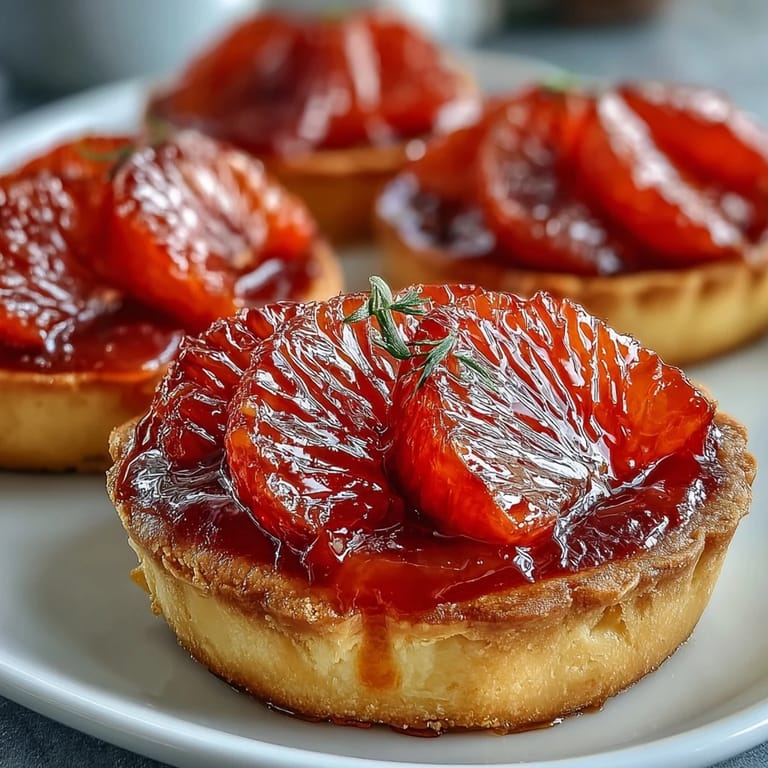
- Spoon chilled custard into each cooled shell, filling to just below the rim. Arrange blood orange slices in overlapping circles, starting from the outside edge and spiraling inward.
- Optional glaze for gleam:
- If you want that professional bakery shine, warm honey with a teaspoon of water until liquid, then brush it gently over the oranges with a pastry brush.
- Final chill before serving:
- Refrigerate the finished tarts until you're ready to serve—even 30 minutes helps everything set and flavors meld.
 Save
Save There was a Sunday in March when my mother came over and watched me assemble these, and she got quiet in that way that means something is landing differently. Afterward, she asked for the recipe not for herself, but to make them for her book club, and somehow that small request meant more than I expected. Now when she makes them, she texts me photos, and we've created this little tradition around a dessert that started as an obsession with a moment in a French kitchen.
The Timing Game
These tarts thrive on make-ahead planning, which is honestly their greatest gift. The tart shells stay crisp for up to two days in an airtight container, and the custard actually improves slightly as it sits because the vanilla has more time to settle into the milk. I learned to assemble them no more than a few hours before serving because the oranges will eventually release juice that softens the shells—it's not a disaster, but there's a brief window where everything is at peak texture.
Why Blood Oranges Matter
The color and flavor of blood oranges isn't just aesthetic—it's essential to why these tarts feel special. Regular oranges are beautiful in their own way, but blood oranges have a mineral, almost wine-like quality that pushes against the vanilla custard in the most interesting way. When they're out of season or unavailable, I've substituted with regular oranges and added a tiny pinch of pomegranate molasses to the glaze, which creates a similar depth.
Storage and Serving Secrets
These tarts are actually forgiving when it comes to storage, which makes them perfect for entertaining when you're managing a dozen other tasks. Keep assembled tarts in the refrigerator up to 8 hours before serving—any longer and the orange segments can start to weep slightly. They pair beautifully with a cold glass of something sparkling and citrusy, or even a crisp white wine that echoes the tartness of the fruit.
- Make the components separately up to one day ahead: Shells keep crisp, custard stays smooth, oranges stay fresh.
- If shells start to soften after assembly: Don't panic, they're still delicious, just eat them sooner rather than later.
- For a twist on flavor: Infuse your custard with a tiny bit of orange zest while heating the milk, which adds another layer of brightness.
 Save
Save Making these tarts has become my way of marking the seasons and celebrating moments worth remembering. There's something about the care they require—the chilling, the whisking, the gentle assembly—that transforms a dessert into an act of attention.
Recipe FAQ Section
- → Can I make these tarts ahead of time?
Yes, you can prepare the tart shells and custard up to a day in advance. Store them separately in the refrigerator and assemble with fresh blood orange slices just before serving to maintain the best texture and presentation.
- → What can I substitute for blood oranges?
Regular navel oranges, Cara Cara oranges, or even grapefruit segments work well as substitutes. While you'll lose the distinctive red color, the flavor and texture will still be delicious.
- → How do I prevent the tart shells from shrinking?
Chilling the dough before and after rolling is essential. Make sure to rest the shaped tart shells in the refrigerator for at least 20 minutes before baking, and avoid stretching the dough when fitting it into the pans.
- → Can I use store-bought tart shells?
Absolutely. Pre-made tart shells can save time and still produce excellent results. Simply fill them with homemade custard and top with blood oranges for a semi-homemade version.
- → How should I store leftover tarts?
Cover the tarts loosely with plastic wrap and refrigerate for up to 2 days. Note that the pastry may soften slightly over time, so they're best enjoyed within 24 hours of assembly.
- → Do I need special tart pans for this?
Individual 4-inch tart pans with removable bottoms work best for easy removal and presentation. However, you can also use a standard 9-inch tart pan and cut into slices, adjusting the baking time accordingly.