 Save
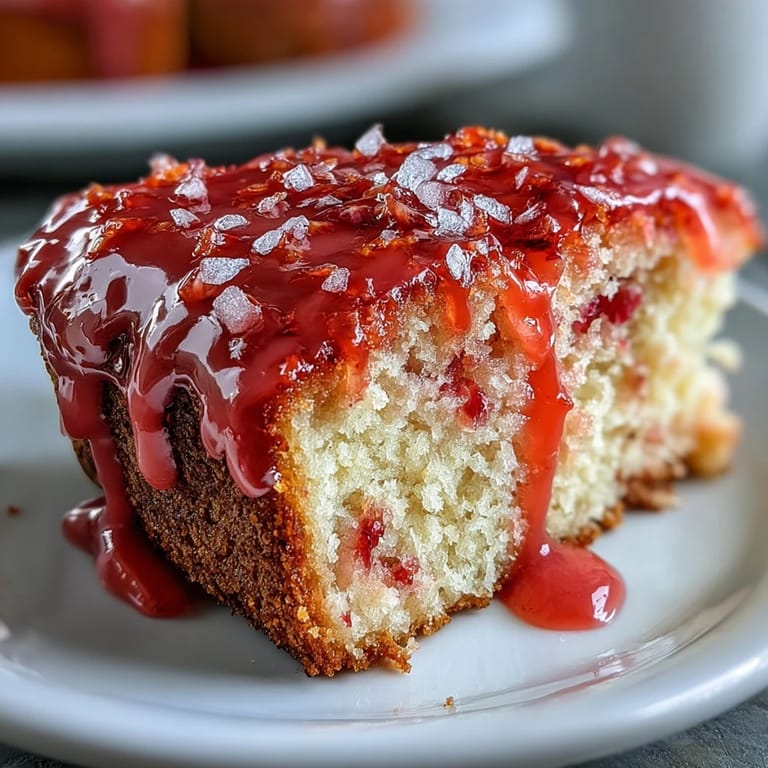
Save The first time I spotted blood oranges at the market, their crimson-stained flesh stopped me in my tracks. I bought more than I could possibly eat, and this cake became my delicious solution to that happy problem. The way the yogurt keeps everything impossibly tender while those ruby juices create the most stunning crumb still catches me off guard every time I slice into it.
Last February, I brought this cake to a friends birthday brunch. People actually stopped mid-conversation when the first slices were served, that vibrant orange glaze catching the morning light through the window. Three people asked for the recipe before they even finished their coffee.
Ingredients
- 1 1/2 cups all-purpose flour: The foundation of the cake, providing structure while still allowing that tender crumb we are after
- 2 teaspoons baking powder: Essential lift, dont skip or substitute if you want that proper rise
- 1/4 teaspoon salt: Just enough to balance the sweetness and brighten the citrus notes
- 1 cup plain Greek yogurt: The secret weapon for moisture and tenderness that lasts for days
- 3/4 cup granulated sugar: Sweetens without overshadowing the delicate blood orange flavor
- 3 large eggs: Room temperature eggs incorporate better, creating a more uniform batter
- Zest of 2 blood oranges: This is where most of the flavor lives, so zest thoroughly and avoid the bitter white pith
- 1/4 cup blood orange juice: Freshly squeezed makes a noticeable difference in brightness
- 1 teaspoon vanilla extract: Rounds everything out and adds depth to the citrus
- 1/2 cup coconut oil, melted: Adds a subtle tropical note and keeps the cake incredibly moist
- Zest of 1 blood orange: For the icing, bringing that beautiful orange hue and aromatic finish
- 1 1/2 cups powdered sugar: Sift first to prevent any lumps in your smooth glaze
- 2 tablespoons blood orange juice: Adjust slightly to get the perfect pourable consistency
Tired of Takeout? 🥡
Get 10 meals you can make faster than delivery arrives. Seriously.
One email. No spam. Unsubscribe anytime.
Instructions
- Preheat your oven:
- Set it to 350°F and prep your 9×5-inch loaf pan with butter and flour or parchment paper
- Whisk the dry ingredients:
- Combine flour, baking powder, and salt in a medium bowl and set it aside
- Make the base:
- Whisk Greek yogurt and sugar in a large bowl until completely smooth and well combined
- Add the eggs and flavor:
- Whisk in eggs one at a time, then add zest, juice, and vanilla until everything is incorporated
- Combine the mixtures:
- Gently fold the dry ingredients into the wet mixture just until combined, being careful not to overmix
- Fold in the coconut oil:
- Add the melted coconut oil in a slow stream, folding gently until fully incorporated
- Bake the cake:
- Pour batter into your prepared pan and bake for 50 minutes until a toothpick comes out clean
- Cool completely:
- Let the cake rest in the pan for 10 minutes, then move to a wire rack to cool fully before icing
- Make the icing:
- Whisk powdered sugar, blood orange juice, and zest until smooth and pourable
- Glaze and serve:
- Drizzle the icing over the cooled cake and let it set for at least 20 minutes before slicing
 Save
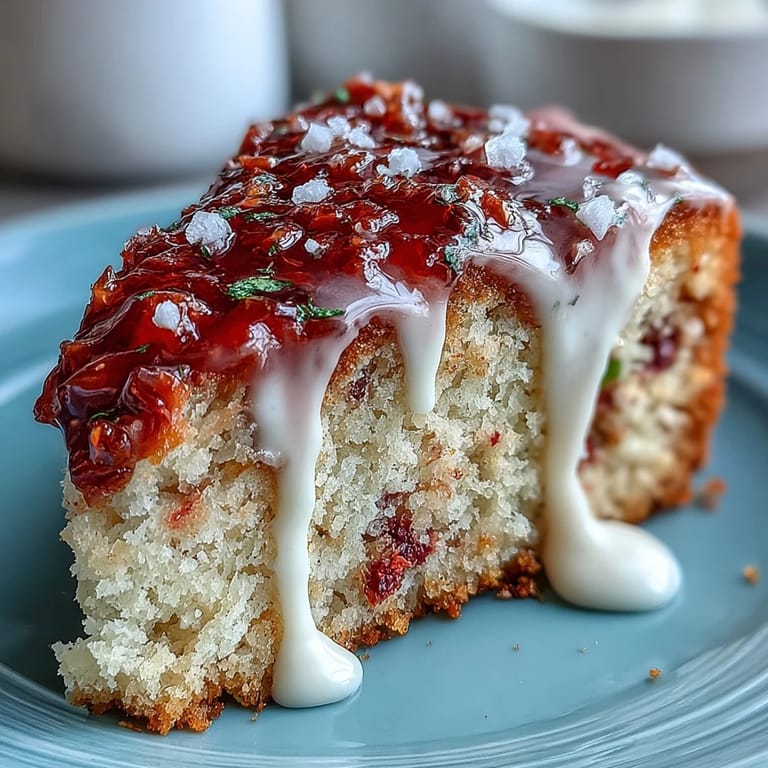
Save My neighbor texted me the day after I shared a slice with her, asking if I had any more. She said her husband kept talking about that orange cake at dinner.
Making the Most of Blood Orange Season
Blood oranges have a short window from winter to early spring, and I have learned to grab them whenever I spot them at the store. Their flavor is more complex than regular oranges, with hints of raspberry and berry that make baking feel special.
Getting That Perfect Glaze Consistency
I have made this cake dozens of times, and the glaze can be tricky. If it is too thick, add juice one teaspoon at a time. Too thin and it will all run off the sides, leaving you with a puddle instead of a pretty drizzle.
Serving and Storage Secrets
This cake actually tastes better on day two, once the flavors have had time to settle and the moisture has distributed evenly. I often bake it the night before I plan to serve it.
- Wrap it tightly if storing overnight, but wait to glaze until the day you are serving
- A little extra zest on top of the icing makes it look extra professional
- Room temperature is best for serving, so take it out about an hour before you plan to slice
 Save
Save There is something almost magical about cutting into that first slice and seeing the tender orange-flecked crumb beneath the glossy glaze. Pure joy on a plate.
Recipe FAQ Section
- → How can I ensure my cake is moist?
Using Greek yogurt and coconut oil contributes significantly to the cake's moist texture. Avoid overmixing the batter, which can develop gluten and lead to a tough cake. Also, do not overbake; test for doneness with a toothpick and remove from the oven as soon as it comes out clean.
- → Can I use regular oranges instead of blood oranges?
Yes, you can substitute regular oranges for blood oranges. The flavor will be slightly different, perhaps a bit sweeter and less intensely colored, but the cake will still be delicious. Adjust the sweetness of the icing if using a less tart orange.
- → What if I don't have coconut oil?
The notes suggest substituting melted unsalted butter for coconut oil. This will give the cake a slightly different flavor profile, but it will still yield a moist and tender result. Ensure it's melted and cooled before incorporating.
- → How should I store the finished cake?
The cake can be stored covered at room temperature for up to 2 days. For longer freshness, especially in warmer climates, it can be refrigerated. Bring it back to room temperature before serving for the best texture and flavor.
- → Can I make this in a different pan size?
While this recipe is designed for a 9x5-inch loaf pan, you could likely adapt it to other sizes. For example, a bundt pan might work, but you would need to adjust baking time. Keep an eye on it and test for doneness with a toothpick. A shallower pan might require less baking time, a deeper one more.