 Save
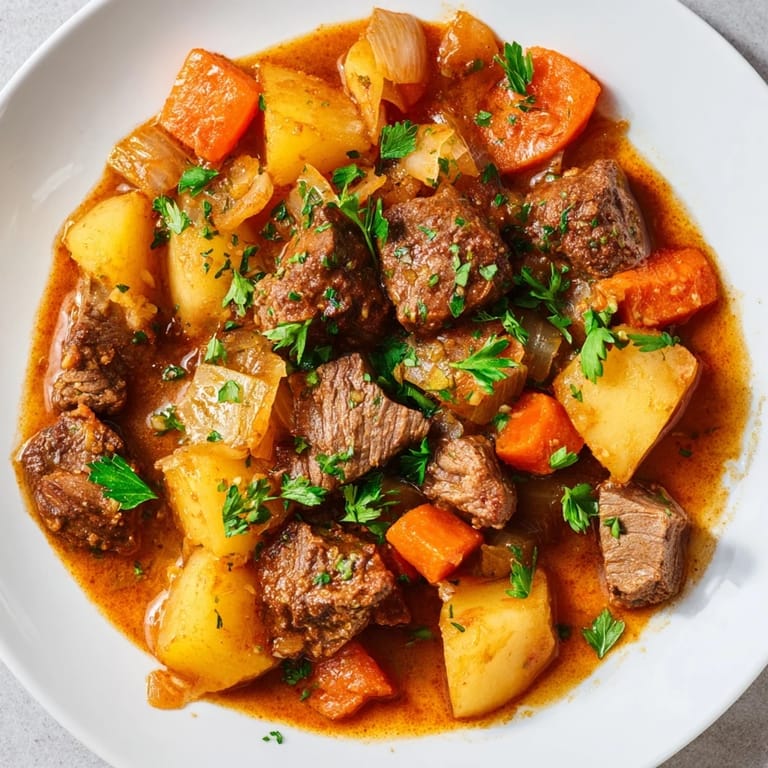
Save There's something about the smell of beef browning in a pot that pulls you back to simpler times. I learned to make Irish stew on a gray Dublin afternoon when my friend Siobhan's grandmother handed me a wooden spoon and said, "Watch how the meat talks to you." What she meant was: listen for that quiet sizzle, the moment when patience turns tough cuts into something tender enough to break with a fork. This stew has been my go-to ever since, especially when the weather turns cold and people need more than just food.
I made this for a dinner party on a night when nothing felt quite right, and somehow a bubbling pot of stew fixed the mood in the room. People came hungry for good company and left carrying containers of leftovers, promising to come back soon. That's when I realized this dish does something special—it brings people closer together.
Ingredients
- Beef chuck (1.5 kg, cut into 2-inch cubes): This cut has the right amount of fat and connective tissue to become silky after hours of simmering; don't be tempted by leaner cuts or your stew will taste thin.
- Potatoes (4 large, cut into chunks): Leave the skins on or peel them entirely—never do both, as it looks unsettled in the pot and they cook unevenly.
- Carrots (4 large, sliced): Thicker slices hold their shape better and add natural sweetness without dissolving into the broth.
- Onions and celery (2 of each): These two are the foundation; they soften into the broth and you won't really see them at the end, but you'll taste them everywhere.
- Garlic (3 cloves, minced): Add it after the onions soften or it turns bitter and slightly burnt-tasting.
- Beef stock (1.2 liters): Use the real thing if you can; cubes make the stew taste metallic and flat.
- Guinness stout (330 ml, optional): It adds depth and a quiet bitterness that keeps the stew from tasting one-note; skip it only if you must.
- Tomato paste (2 tbsp): This small amount builds flavor without making anything taste obviously tomatoey.
- Worcestershire sauce (2 tbsp): It's the ingredient that makes people ask what you did differently.
- Bay leaves, thyme, and rosemary: These dried herbs are your anchors; fresh ones will fade during the long cook.
- Vegetable oil (3 tbsp for searing): Use something neutral so it doesn't compete with the beef and herbs.
- Fresh parsley (2 tbsp for garnish): A small bright gesture at the end that makes the whole bowl look alive.
Tired of Takeout? 🥡
Get 10 meals you can make faster than delivery arrives. Seriously.
One email. No spam. Unsubscribe anytime.
Instructions
- Dry and season the beef:
- Pat those cubes completely dry with paper towels—moisture is the enemy of browning. Season generously and let them sit for a moment; cold beef dropped into hot oil steams instead of sears.
- Brown the meat in batches:
- Don't crowd the pot or you'll stew instead of sear. Wait for the sound to change from a angry hiss to a quieter, deeper sizzle before turning the pieces over. Let them sit undisturbed until they're mahogany-dark on one side.
- Soften the aromatics:
- Pour off a little excess fat, then add the onions and celery. Scrape the bottom of the pot with your spoon to release all that caramelized beef flavor. Cook until the onions turn translucent and soft, about five minutes, then add the garlic for just one more minute.
- Bloom the tomato paste:
- Stir it in and let it cook for a full minute in contact with the hot pot. This small step transforms it from raw and tinny to deep and sweet.
- Deglaze and simmer the beer:
- Pour in the Guinness if you're using it and watch it bubble and foam. Let it reduce for two minutes so the raw alcohol flavor mellows out.
- Combine everything and build the broth:
- Return the beef, add the carrots, potatoes, herbs, stock, and Worcestershire sauce. Stir gently and bring to a gentle boil, then lower the heat so you see just occasional bubbles breaking the surface.
- Let time do the work:
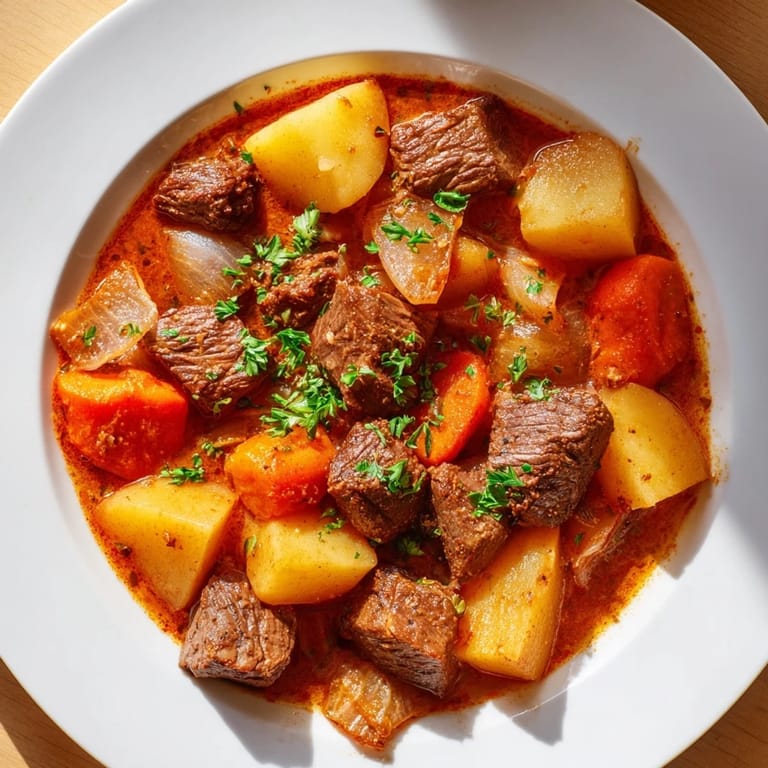
- Cover the pot and let it simmer for two to two and a half hours. Stir it occasionally, not to stir in any flavor but just to check that nothing is sticking. The beef is ready when a fork cuts through without resistance, and the broth has deepened to a rich amber-brown.
- Finish and serve:
- Fish out the bay leaves, taste the broth, and adjust the salt and pepper. Ladle into bowls and scatter parsley across the top.
 Save
Save My favorite moment with this stew came when a neighbor knocked on my door asking what smelled like home. Sometimes food is louder than words, and sometimes that's exactly what someone needs.
Why This Recipe Works
The beauty of Irish stew is that it doesn't ask for fancy technique or exotic ingredients. Instead, it relies on long, gentle heat to break down tough meat into something tender and on the patience to let one pot do all the work. The vegetables cook down into the broth, making it richer without any cream or complicated additions. The herbs stay subtle because they're there to support the beef, not announce themselves. This is peasant food elevated by time and attention, not by complexity.
Variations Worth Trying
Once you've made this stew a few times, you might want to experiment. Some cooks swap lamb for beef and call it by its other traditional name. Others add a splash of red wine in place of the beer, or stir in pearl barley for a heartier texture. You can swap the dried herbs for fresh ones if you add them in the last ten minutes instead of at the beginning. None of these changes breaks the recipe—they just bend it toward your tastes and what you have on hand.
Serving and Storage
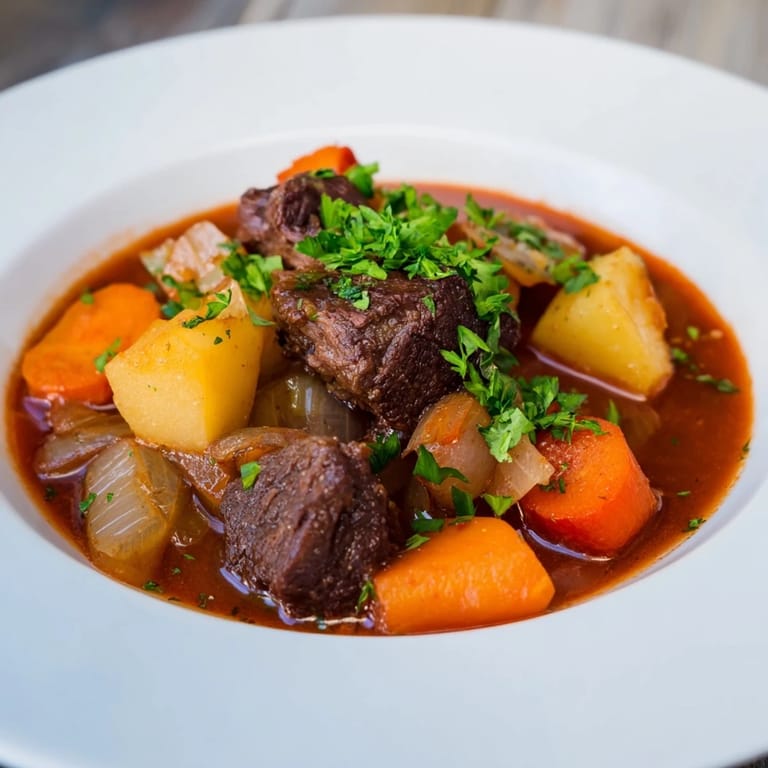
Serve this stew in deep bowls with crusty bread for soaking up the broth, or ladle it over mashed potatoes for something more filling. It tastes even better the next day and keeps for up to four days in the refrigerator. You can also freeze it for a month, which means you can make a big batch and have comfort food waiting for a difficult week.
- If the stew separates in storage, just reheat it gently on the stove and it comes back together.
- Gluten-free eaters should check labels on the Worcestershire sauce and stock, or skip the Guinness entirely for a safe version.
- Serve it with a simple green salad to cut through the richness, or with a cold drink and good conversation.
 Save
Save This stew is less about technique and more about showing up in the kitchen with decent ingredients and time. Make it when you need comfort, or when someone else does.
Recipe FAQ Section
- → What cut of beef works best for this dish?
Beef chuck cut into 2-inch cubes is ideal for slow cooking as it becomes tender and flavorful over time.
- → Can I omit the Guinness stout?
Yes, the dish remains rich and savory without it, especially suitable for gluten-free versions.
- → How long should the stew simmer?
Simmer for 2 to 2.5 hours until beef is tender and vegetables are soft.
- → What vegetables are included?
Potatoes, carrots, onions, celery, and garlic provide a flavorful base alongside the beef.
- → How can I thicken the stew?
Mashing a few cooked potato pieces into the broth helps achieve a thicker texture.
- → Are there common allergens to watch for?
Contains soy from Worcestershire sauce and gluten if using Guinness; gluten-free alternatives can be used.