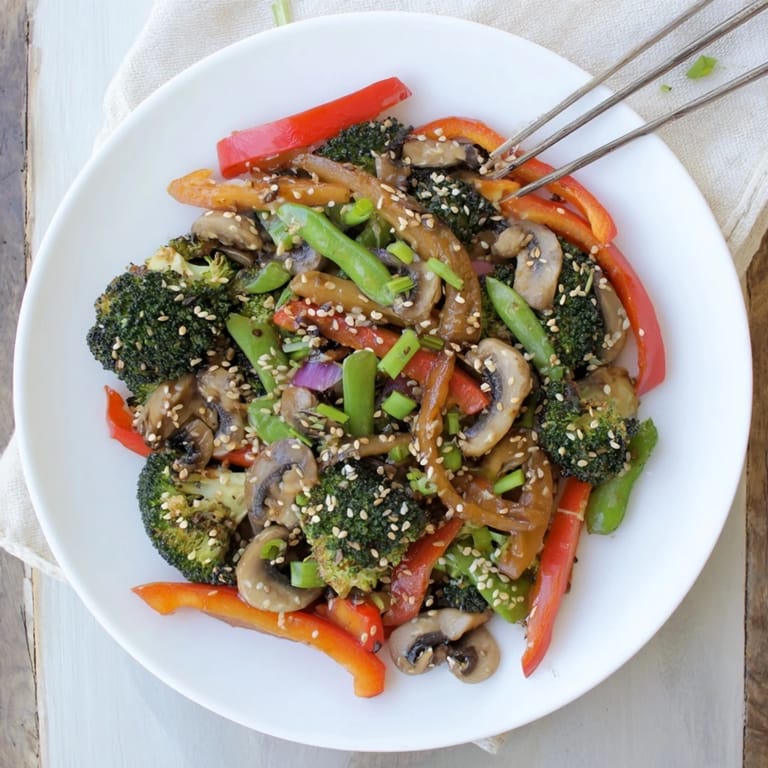
 Save
Save My tiny apartment kitchen filled with the sharp citrus scent of fresh ginger hitting hot oil, that unmistakable aroma that makes your mouth water before you even realize you are hungry. I had just discovered how quickly a wok could transform a random assortment of vegetables into something that felt like takeout but tasted like home. The steam rising from the pan carried garlic and soy, wrapping around me like a warm embrace on a rainy Tuesday evening when cooking dinner felt like the only thing that could salvage the day.
My roommate used to hover near the stove with her bowl already in hand, not even trying to hide her impatience as the snap peas and peppers hit the screaming hot pan. We would eat standing up, leaning against the counter, burning our tongues on vegetables that were still too hot because waiting was simply not an option. Those hurried weeknight dinners became the highlight of our shared existence, a bright spot of something delicious in the middle of chaos.
Ingredients
- Fresh ginger: Grating it releases those aromatic oils that ground the entire dish in warmth and depth
- Broccoli florets: They hold up beautifully to high heat and develop these lovely charred edges
- Snap peas: Their natural sweetness pops against the savory sauce and adds such satisfying crunch
- Red bell pepper: Brings color and a subtle sweetness that balances the salty soy sauce
- Sesame oil: Just a tablespoon adds that unmistakable nutty richness that makes it taste restaurant-quality
- Rice vinegar: Cuts through the heaviness and brightens every single bite
Tired of Takeout? 🥡
Get 10 meals you can make faster than delivery arrives. Seriously.
One email. No spam. Unsubscribe anytime.
Instructions
- Mix your sauce first:
- Whisk together the soy sauce, rice vinegar, maple syrup, and red pepper flakes until completely combined
- Get the pan screaming hot:
- Heat both oils in your wok or skillet over medium-high until they shimmer and ripple
- Wake up the aromatics:
- Toss in the ginger and garlic, stirring constantly for just thirty seconds until fragrant but not burned
- Start with the harder vegetables:
- Add the onion, carrots, and broccoli first, stir-frying for two to three minutes to give them a head start
- Add the quicker-cooking vegetables:
- Throw in the bell pepper, snap peas, and mushrooms, cooking until everything is crisp-tender
- Bring it all together:
- Pour in your sauce and toss everything vigorously until the vegetables are glossy and coated
- Finish with flourish:
- Remove from heat immediately and sprinkle with green onions and toasted sesame seeds
 Save
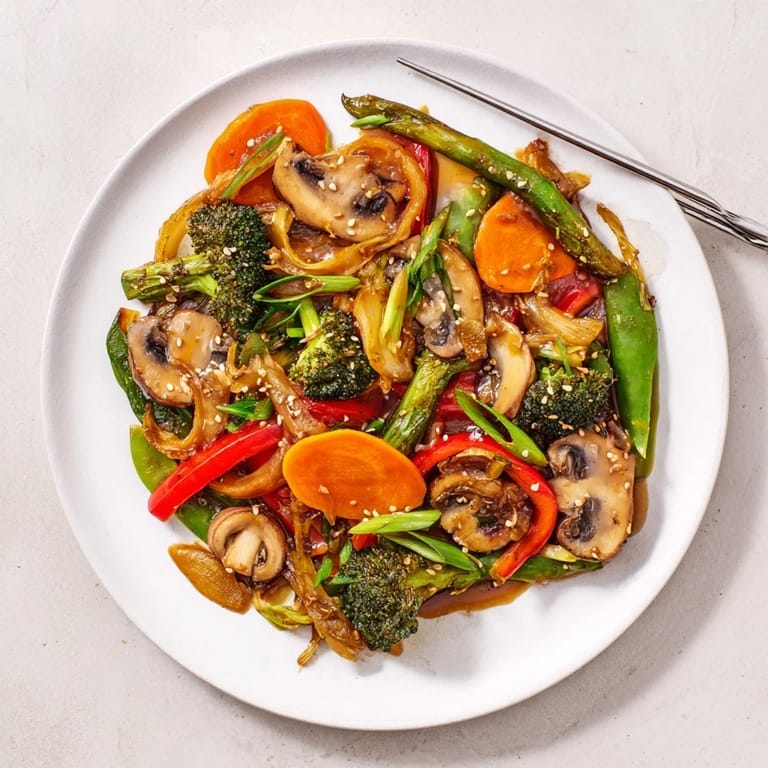
Save This recipe became my go-to for dinner parties when I wanted something impressive but did not want to be stuck in the kitchen while my friends laughed in the living room. The way the vegetables catch the light, glistening with sauce and scattered with seeds, makes it look like you tried so much harder than you actually did.
The Art of High-Heat Cooking
Learning to trust the sound of vegetables sizzling fiercely in the pan changed everything about how I approach weeknight cooking. That hiss and pop is the sound of flavor developing, of natural sugars caramelizing, of textures becoming interesting and complex rather than just soft.
Building Your Flavor Profile
The balance between salty soy, sharp ginger, and subtle sweetness from the maple syrup creates layers that keep each bite interesting. I learned that the secret is tasting as you go, adjusting the vinegar if it needs more brightness or adding a pinch more sugar if the soy feels too aggressive.
Making It Your Own
Some nights I add crispy tofu cubes or edamame for protein. Other times I throw in baby corn or water chestnuts for extra crunch. The beauty of this dish is its flexibility and the way it welcomes whatever vegetables are languishing in your crisper drawer.
- Cut all your vegetables to roughly the same size so they cook evenly
- Keep everything moving in the pan to prevent burning and ensure even cooking
- Have your serving dish ready because this dish is best enjoyed immediately
 Save
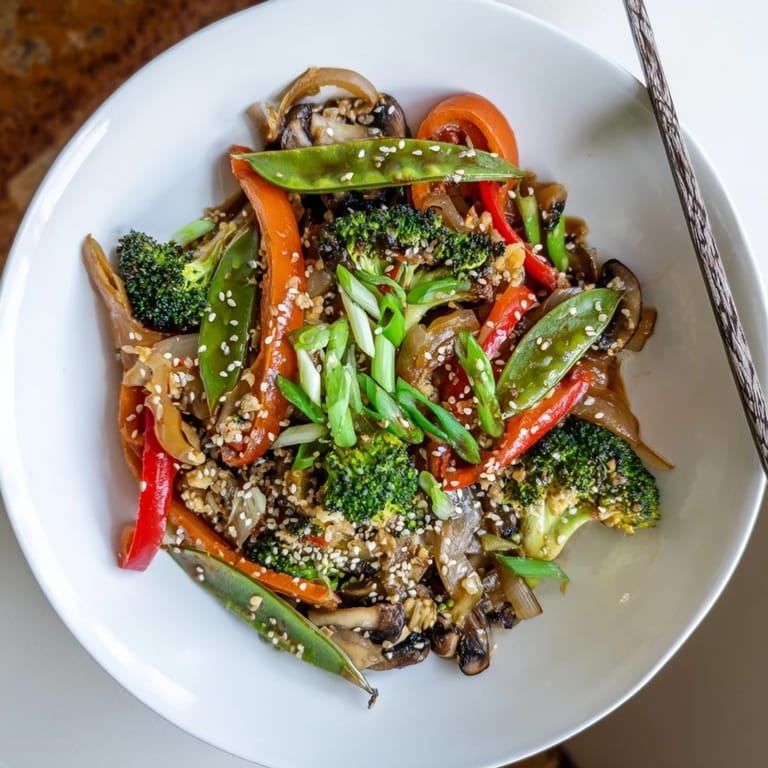
Save There is something deeply satisfying about a meal that comes together so quickly yet tastes so vibrant and alive. This stir-fry reminds me that good food does not need to be complicated.
Recipe FAQ Section
- → What vegetables work best in this dish?
Broccoli, carrots, bell peppers, snap peas, onions, and mushrooms work beautifully together. Feel free to substitute with whatever crisp vegetables you enjoy—bok choy, zucchini, or green beans all make excellent additions.
- → Can I make this gluten-free?
Absolutely. Simply replace regular soy sauce with tamari, which is naturally gluten-free. All other ingredients, including fresh ginger, garlic, and vegetables, are naturally gluten-free.
- → How do I prevent vegetables from becoming soggy?
Keep the heat at medium-high and avoid overcrowding the pan. Cook vegetables in batches if needed. The key is maintaining high heat and stirring constantly to achieve that crisp-tender texture.
- → Can I add protein to this dish?
Yes. Cubed tofu, tempeh, or edamame work wonderfully for plant-based protein. If you eat meat, sliced chicken, beef, or shrimp can be stir-fried separately then added in with the sauce.
- → How should I store leftovers?
Store in an airtight container in the refrigerator for up to 3 days. Reheat gently in a skillet over medium heat, adding a splash of water or extra sauce if needed to refresh the vegetables.
- → What's the best way to serve this?
Steamed jasmine rice or brown rice makes a perfect base. For a low-carb option, serve over cauliflower rice or enjoy on its own as a light meal. The dish also pairs beautifully with rice noodles.